

Hijamah and Cupping Therapy: A Path to Holistic Wellness
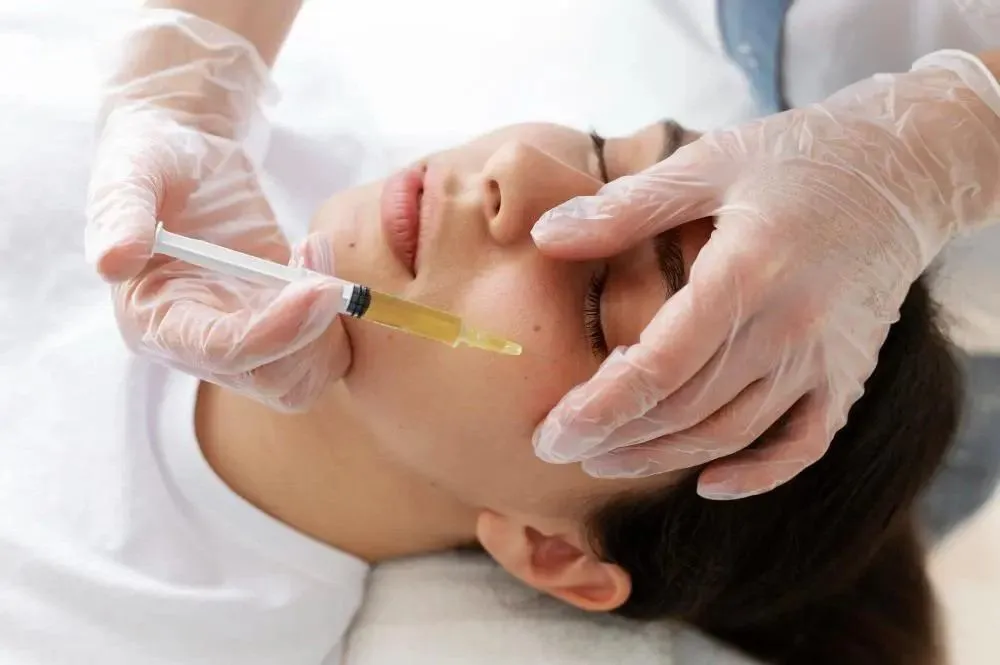
For millennia, communities across the globe have utilized time-tested healing methods to restore balance and vitality to the human body. Among these traditions, Hijamah and cupping therapy stands out as a powerful, non-invasive approach to detoxification and enhanced well-being. At Dr. Tasneem’s Institute of Health we honor this ancient therapy integrating it with modern clinical standards to provide safe and personalized care. Hopefully all your fundamental questions about this therapy,its detailing, its practice, safety, and accessibility will be answered. You can easily find this Hijamah and cupping therapy in Karachi at Dr.Tasneem’s Institute of health.
1. What is Hijamah and Cupping Therapy?
Cupping therapy is a broad term for a traditional practice that involves placing specially designed cup-made of glass, bamboo, or plastic-on the skin to create suction. This vacuum gently draws the skin and superficial muscle layers upward into the cup, stimulating blood flow and promoting healing. The core mechanism is the creation of negative pressure, which acts like a reverse massage, pulling impurities and stagnant fluids toward the surface.
This leads us to a common question: What is the difference between Hijamah and Cupping? While all Hijamah is a form of cupping, not all cupping is Hijamah. Cupping therapy is generally divided into two main categories: Dry Cupping and Wet Cupping. Dry Cupping involves only the suction process, targeting muscle knots, relieving tension, and improving local circulation. Hijamah, or Wet Cupping, is a specific procedure based on Prophetic Medicine in the Sunnah. It includes the suction phase but is followed by minor and very shallow cuts to draw out small amounts of stagnant or toxic blood from the superficial capillaries. Therefore, Hijamah is distinguished by its primary focus on detoxification and purification, making it a more intensive form of the therapy.
2. What happens in a Hijamah procedure?
The Hijamah procedure, particularly the wet cupping method practiced at “Dr. Tasneem’s Institute of Health,” is performed with meticulous attention to hygiene and patient comfort. The session follows a highly structured, five-step process:
- Preparation and Initial Suction: The practitioner first selects specific therapeutic points on the body. Cups are placed, and suction is created (often using a manual pump) to draw the skin upward. This initial suction is maintained for about three to five minutes to concentrate blood and metabolic waste products just beneath the skin’s surface.
- Cup Removal and Scarification: The cups are briefly removed. Using a sterile, single-use surgical blade, the therapist makes a series of extremely shallow, fine scratches (scarifications) on the skin’s surface. These incisions are superficial, penetrating only the skin’s upper layer, minimizing discomfort.
- Secondary Suction and Extraction: The cups are immediately reapplied to the exact same points. The vacuum is recreated, and this suction draws out a small amount of dark, viscous blood, which is often described as “stagnant” or laden with toxins.
- Cleaning and Disposal: After approximately five to ten minutes, the cups are removed, and the extracted fluids are safely disposed of according to strict clinical waste protocols.
- Aseptic Dressing: The treated areas are thoroughly cleaned, disinfected, and covered with appropriate bandages.
We ensure that the Hijamah and cupping procedure for men and the Hijamah and cupping procedure for women are conducted in entirely separate, private, and comfortable environments, utilizing gender-specific practitioners to maintain cultural sensitivity and discretion.
3. Safety and Side Effects of Hijamah and Cupping
A primary concern for new patients is, What are the side effects of Hijamah and Cupping? When performed by certified and experienced specialists such as those at Dr.Tasneem’s Institute of Health, the risks are minimal and the side effects are generally temporary. The most common result is the appearance of circular red or purplish marks on the skin where the cups were placed. These are essentially deep bruises caused by the intense suction, indicating the successful movement of blood to the surface. These marks are harmless and typically fade entirely within a week or two.
Some individuals may experience mild localized soreness, similar to the feeling after a deep tissue massage, or a temporary feeling of lightheadedness, particularly after the blood extraction phase of Hijamah. These effects are managed by ensuring the patient is well-hydrated and rested.
The critical factor in mitigating risk is professional execution. Infections are exceedingly rare at reputable clinics like ours because we adhere to stringent standards: using single-use, disposable blades and cups, and maintaining medical-grade sterilization of the entire treatment area.
4. Accessibility and Cost in Karachi
The practice of Hijamah therapy in karachi has grown significantly, making it widely accessible across the city. Many people ask, What is the cost of Hijamah and Cupping in Karachi? The fee for a professional session can vary based on the specialist’s qualifications, the clinic’s location and facilities, and the number of cups required for the treatment.
By choosing a trusted establishment, patients invest in safety, expertise, and a treatment plan tailored specifically to their needs—whether seeking therapeutic relief via the Hijamah and cupping procedure for men or the discreet, professional care provided during the Hijamah and cupping procedure for women. Hijamah and cupping therapy offers a profound pathway to wellness, rooted in tradition and delivered with clinical excellence.**